


When we talk about gut health, probiotics often steal the spotlight. But behind every thriving microbiome is something just as essential—prebiotic fiber.
If probiotics are the seeds, prebiotic fiber is the soil. Without it, those beneficial bacteria can’t survive, let alone flourish. Prebiotics don’t just support digestion; they influence inflammation, immunity, metabolism, even mood. And yet, most people consume far less than their bodies require.
So the question becomes: What foods are high in prebiotic fiber—and how do you include them consistently for long-term gut support?
In this clinically-informed guide, we explore:
-
What prebiotic fiber really is
-
How it supports the microbiome
-
The top whole-food sources of prebiotic fiber
-
How to safely boost your intake
-
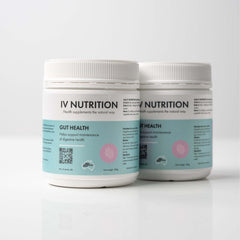
Why supplementing with a pure, slow-fermenting prebiotic like IV Nutrition’s Virgin-Manufactured Sugarcane Fiber can fill the gaps most diets miss
Special Offer: Try IV Nutrition’s gut-friendly sugarcane prebiotic fibre with 100% off your first tub when you subscribe.
→ Claim your free tub here
Table of Contents
-
What Is Prebiotic Fiber?
-
Why It’s Critical for Gut and Whole-Body Health
-
Prebiotics vs. Probiotics: The Key Difference
-
Top 12 Foods High in Prebiotic Fiber
-
Chicory Root
-
Jerusalem Artichokes
-
Garlic
-
Onions
-
Leeks
-
Asparagus
-
Green Bananas
-
Apples (with skin)
-
Oats
-
Flaxseeds
-
Legumes
-
Dandelion Greens
-
-
Challenges of Getting Enough Prebiotics from Food Alone
-
Why Sugarcane Prebiotic Fiber Is a Clinical-Grade Solution
-
How to Combine Food + Supplementation for Best Results
-
Daily Gut Health Protocol (Clinician-Style)
-
Final Thoughts: Nourish Your Microbiome with Intention
1. What Is Prebiotic Fiber?
Prebiotic fiber refers to a group of non-digestible carbohydrates that pass through the upper GI tract and reach the colon intact. There, they serve as fermentation fuel for beneficial gut bacteria.
This fermentation process produces short-chain fatty acids (SCFAs)—notably butyrate, acetate, and propionate—which are responsible for a wide array of physiological benefits, including:
-
Maintaining a healthy gut lining
-
Regulating immune responses
-
Supporting brain function and neurotransmitter production
-
Promoting regular, pain-free bowel movements
These fibres aren’t just for digestion—they’re foundational for systemic health.
2. Why It’s Critical for Gut and Whole-Body Health
Every system in your body—from immunity to mood—is impacted by the state of your gut. That makes prebiotic fibre one of the most strategic and simple tools for long-term health optimization.
Key benefits of adequate prebiotic intake include:
-
Microbial diversity: Encourages the growth of beneficial strains like Bifidobacteria and Lactobacillus
-
Reduced inflammation: Via SCFA production
-
Improved nutrient absorption: Healthier microbiome = better uptake of vitamins and minerals
-
Mood and cognition support: SCFAs directly influence the gut-brain axis
-
Metabolic regulation: Improved insulin sensitivity and blood sugar control
And yet—most people are consuming a fraction of the recommended amount.
3. Prebiotics vs. Probiotics: The Key Difference
It’s common to confuse probiotics with prebiotics, but their roles are distinctly different:
| Type | What It Is | Function |
|---|---|---|
| Probiotics | Live beneficial bacteria | Introduce or replenish gut microbes |
| Prebiotics | Non-digestible fibre | Feed and sustain existing gut bacteria |
Think of probiotics as guests and prebiotics as the food on the table. You need both for a healthy home.
4. Top 12 Foods High in Prebiotic Fiber
Here’s a breakdown of nature’s most powerful prebiotic foods, ranked by their fibre content and fermentation quality.
1. Chicory Root
Often used in herbal coffee substitutes, chicory root contains inulin, one of the most effective fermentable fibres. Just one tablespoon offers around 3 grams of prebiotic fibre.
2. Jerusalem Artichokes (Sunchokes)
A powerhouse of inulin, sunchokes provide more than 2 grams per 100g. They ferment rapidly, so may cause gas if overconsumed—start slow.
3. Garlic
Raw garlic delivers fructooligosaccharides (FOS), another well-researched prebiotic. It also supports antimicrobial balance, aiding both sides of the microbiome equation.
4. Onions
Especially raw, onions offer inulin and FOS, and also contain flavonoids like quercetin, which enhance microbial diversity and gut barrier function.
5. Leeks
Related to onions and garlic, leeks are particularly rich in inulin. They also provide manganese and vitamin K—useful for gut lining repair.
6. Asparagus
This green vegetable supplies around 2–3 grams of inulin per 100g. It’s one of the gentler fermenters and can be used in cooked form for better tolerability.
7. Green Bananas
Unripe bananas are one of the best food sources of resistant starch, which acts like prebiotic fibre in the colon. Opt for green to yellow-green stages.
8. Apples (With Skin)
Contain pectin, a fermentable fibre that nourishes butyrate-producing bacteria. Choose organic when possible to avoid pesticide residue.
9. Oats
Offer beta-glucans and resistant starch when cooled after cooking (as in overnight oats). These help reduce cholesterol while feeding beneficial microbes.
10. Flaxseeds
Provide both soluble and insoluble fibre. Ground flaxseeds are better absorbed and contribute to smoother elimination and microbial support.
11. Legumes (Lentils, Chickpeas, Beans)
Rich in galacto-oligosaccharides (GOS), legumes offer prebiotic effects alongside protein and minerals. They can be gas-producing, so introduce gradually.
12. Dandelion Greens
One of the most overlooked high-prebiotic foods. They provide chlorogenic acid and inulin, which modulate both gut and liver function.
5. Challenges of Getting Enough Prebiotics from Food Alone
While food-based prebiotics are powerful, there are a few challenges that can limit their impact:
-
Digestive sensitivity: Many prebiotic-rich foods (like onions, beans) can cause gas or bloating
-
Low quantity per serving: You’d need large amounts to hit therapeutic targets
-
Inconsistency: Diets often fluctuate with seasons, availability, or travel
-
Poor tolerance in IBS/SIBO cases: Certain fibres may worsen symptoms in some gut profiles
That’s why clinical practitioners often recommend a targeted prebiotic supplement alongside food-based approaches—especially for therapeutic or maintenance-level support.
6. Why Sugarcane Prebiotic Fiber Is a Clinical-Grade Solution
Unlike harsh bulking agents or aggressively fermenting fibres, IV Nutrition’s Virgin-Manufactured Sugarcane Prebiotic Fibre offers a gentle, effective, food-based solution that works well for nearly every gut type.
What Makes It Unique:
-
Virgin-Manufactured: Derived from whole, unprocessed sugarcane—preserving its native fibre structure
-
Slow-fermenting: Supports sustained SCFA production without the bloating
-
Soluble and non-irritating: Ideal for those with IBS, SIBO, or sensitive digestion
-
No fillers or synthetic binders: 100% clean formulation
-
Clinically aligned: A functional food solution used by health professionals seeking gentle, steady microbial nourishment
If your gut has been inflamed, dysregulated, or unresponsive to other fibres, this may be the answer you've been looking for.
Limited Time: First Tub Free
Start building a microbiome that works for you—not against you.
→ Claim your 100% free first tub of IV Nutrition’s sugarcane fibre here
7. How to Combine Food + Supplementation for Best Results
A hybrid approach works best—using whole-food prebiotics for diversity and supplementation for reliability.
Here’s how to layer them:
-
Morning: Oats with flax, apple slices, and a scoop of IV Nutrition sugarcane fibre
-
Lunch: Lentil or chickpea salad with garlic-lemon dressing
-
Afternoon: Green banana smoothie with dandelion greens
-
Dinner: Roasted asparagus and leeks over quinoa
This method ensures multiple prebiotic pathways are activated while covering any dietary shortfalls with clean, consistent supplementation.
8. Daily Gut Health Protocol (Clinician-Style)
Want to build a clinical-level routine for long-term gut wellness? Here's a simple yet powerful protocol:
| Time | Action |
|---|---|
| Wake-up | Warm water with lemon to stimulate digestion |
| Breakfast | Prebiotic-rich bowl (e.g., oats, flax, apple, sugarcane fibre) |
| Mid-morning | Walk or light movement to stimulate gut motility |
| Lunch | High-fibre plant plate with legumes and greens |
| Mid-afternoon | Hydration + optional scoop of sugarcane fibre |
| Dinner | Non-starchy vegetables + lean protein |
| Evening | Relaxation routine (stress management for gut-brain axis) |
9. Final Thoughts: Nourish Your Microbiome with Intention
So, what foods are high in prebiotic fibre? From green bananas to onions, oats to artichokes, nature offers a powerful variety of fermentable fibres. But for many, it’s not practical to rely on food alone—especially if digestive issues already exist.
That’s where functional, clean supplementation like IV Nutrition’s Virgin-Manufactured Sugarcane Prebiotic Fibre becomes a reliable, well-tolerated cornerstone of any gut health strategy.
Your microbiome doesn’t need more hype. It needs consistent nourishment—from real food, and real fibres that work with your body, not against it.