

What Are IBD Symptoms?
A Science-Backed, Gut-Friendly Guide to Recognizing and Managing Inflammatory Bowel Disease
Your gut has been trying to tell you something. Loudly. Through cramps, bloating, fatigue, and maybe a few not-so-subtle restroom emergencies. If your digestive discomfort feels like more than just “a bad meal” or a case of IBS, it might be time to ask the bigger question:
“What are IBD symptoms?”
You’re in the right place. In this detailed, human-sounding, professionally informed (but fun-to-read) guide, we’re going to walk you through everything you need to know about IBD, its symptoms, how it’s different from IBS, and—yes—how you can support your gut through smart nutrition, lifestyle, and a little help from science-backed prebiotic fibres.
Table of Contents
What is IBD?
Inflammatory Bowel Disease (IBD) is an umbrella term for chronic inflammatory conditions affecting the gastrointestinal tract. Unlike IBS (Irritable Bowel Syndrome), IBD causes visible damage to your gut lining, which can lead to long-term complications if not managed properly.
The two primary forms of IBD are:
-
Crohn’s Disease: Can affect any part of the GI tract from mouth to anus.
-
Ulcerative Colitis: Limited to the colon (large intestine) and rectum.
Types of IBD
1. Crohn’s Disease
Crohn’s can affect the entire digestive tract, but most often hits the end of the small intestine (ileum) and the beginning of the colon. Inflammation can occur in patches and extend deep into the intestinal layers.
Common Sites: Small intestine, colon
Appearance: “Cobblestone” inflammation pattern
Complications: Fistulas, strictures, malnutrition
2. Ulcerative Colitis
This form only affects the colon and rectum, causing continuous inflammation and ulcers along the innermost lining of the colon.
Common Sites: Colon
Appearance: Uniform inflammation
Complications: Toxic megacolon, increased colorectal cancer risk
What Are the Core Symptoms of IBD?
IBD symptoms can range from mildly annoying to downright debilitating. Here's what to look out for:
| Symptom | Explanation |
|---|---|
| Abdominal pain & cramping | Often intense and recurring |
| Chronic diarrhea | With or without blood or mucus |
| Rectal bleeding | Especially in ulcerative colitis |
| Unintended weight loss | Due to malabsorption or loss of appetite |
| Fatigue | From nutrient deficiency, anemia, or inflammation |
| Urgency to defecate | And often not making it in time |
| Fever | Especially during flare-ups |
| Loss of appetite | Due to pain, nausea, or inflammation |
| Mouth sores | More common in Crohn’s Disease |
| Joint pain or skin rashes | Extraintestinal manifestations of IBD |
IBD vs IBS: Not the Same
Let’s clear this up because people often confuse the two. While they both affect the digestive system, IBD is an inflammatory disease, while IBS is a functional disorder.
| Criteria | IBD | IBS |
|---|---|---|
| Inflammation | Yes | No |
| Tissue damage | Yes | No |
| Diarrhea | Yes (often bloody) | Yes (not bloody) |
| Abdominal pain | Yes | Yes |
| Fatigue | Yes | Sometimes |
| Fever | Yes | No |
| Weight loss | Yes | No |
| Diagnostic imaging | Abnormal | Normal |
What Triggers IBD Flare-Ups?
IBD is relapsing-remitting, meaning it alternates between flare-ups and periods of remission. While triggers vary, here are the most common culprits:
-
Dietary irritants (high-fat, spicy, or ultra-processed foods)
-
Stress (it’s not just in your head—your gut literally feels it)
-
Infections (e.g., foodborne bacteria like Salmonella)
-
Skipping medication or improper dosing
-
NSAIDs like ibuprofen
-
Smoking (especially worsens Crohn’s)
Knowing your personal triggers = your first line of defense.
How to Support Gut Healing—Nutritionally and Clinically
While IBD is chronic and there’s no "cure" yet, managing inflammation and supporting gut repair can lead to long-term remission and improved quality of life.
Medical Treatment May Include:
-
Aminosalicylates (5-ASAs): Reduce inflammation
-
Corticosteroids: Short-term flare control
-
Immunomodulators: Suppress immune system activity
-
Biologics (e.g., Infliximab): Target specific inflammation pathways
-
Surgery: In severe cases of Crohn’s or UC
Nutritional Support = Critical
Your gut is both a battleground and a healing zone. What you eat (or avoid) can make or break your progress.
Safe Foods During Flare-Ups:
-
White rice
-
Oatmeal
-
Cooked carrots
-
Chicken breast
-
Bone broth
-
Scrambled eggs
Foods to Limit or Avoid:
-
Raw vegetables (especially cruciferous types)
-
Dairy (if lactose-intolerant)
-
High-fat fried foods
-
Alcohol
-
Caffeine
-
Gluten (for some)
The Role of Prebiotics in IBD Management
This is where things get interesting—and hopeful.
Your gut microbiome plays a central role in IBD. In fact, studies show that people with IBD often have reduced microbial diversity, lower levels of beneficial bacteria, and higher levels of pro-inflammatory species.
Enter: prebiotics—specialized plant fibres that feed your good bacteria and encourage a balanced microbiome.
🧬 Frontiers in Nutrition: Role of Prebiotics in Inflammation
But Not All Prebiotics Are Created Equal…
Some prebiotic fibres (like inulin or FOS) can cause bloating or gas—especially during a flare-up.
That’s why we love this one:
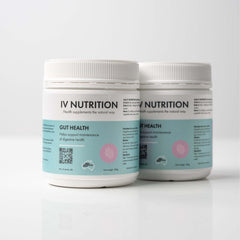
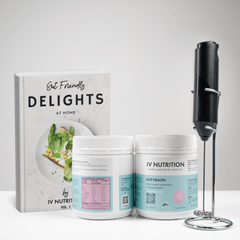
Try IV Nutrition’s Virgin-Manufactured Sugarcane Prebiotic Fibre
You didn’t think we’d recommend just any fibre, right?
This gut-loving powder is made from virgin sugarcane, retaining its natural prebiotic properties while being gentle enough for sensitive guts, including those with IBD.
Why It Works:
-
🌱 Virgin-manufactured to retain potency without over-processing
-
👨⚕️ Low-FODMAP friendly—won’t worsen bloating or gas
-
🧫 Feeds beneficial bacteria without feeding harmful pathogens
-
💧 Dissolves easily in water, tea, or smoothies
-
💪 Clinically aligned with gut inflammation recovery
And here’s the kicker…
🎁 100% OFF Your First Tub when you subscribe
👉 Grab Your Gut’s New BFF
Whether you’re managing symptoms or in remission, this is a smart, easy win for your gut.
Final Thoughts
IBD isn’t just a digestive issue—it’s a whole-body, life-influencing condition. But knowledge is power. By recognizing symptoms early, working with your healthcare team, and giving your gut what it needs to thrive—like a microbiome-repairing prebiotic—you can absolutely regain quality of life.
To recap:
-
IBD symptoms include persistent diarrhea, rectal bleeding, fatigue, and unintended weight loss
-
It’s not the same as IBS—it’s more serious and involves chronic inflammation
-
Dietary and lifestyle support matter as much as medications
-
Supporting your gut microbiome with prebiotics is key to long-term remission
-
IV Nutrition’s sugarcane prebiotic fibre = one of the safest, most effective ways to support gut health without side effects
You’ve got this. And your gut has your back—as long as you give it the right tools.