


Mental Health and the Link to the Gut: What You Should Know
In recent years, the scientific community has uncovered a remarkable and complex connection between our gut and brain—a bidirectional communication system now referred to as the gut-brain axis. Research in neuroscience, gastroenterology, and psychiatry is revealing just how intertwined our digestive and mental health really are.
If you’ve ever “felt butterflies” in your stomach when nervous or experienced digestive issues during periods of stress, you’ve encountered this gut-brain link firsthand. But what does science really say about the role of the gut in conditions like anxiety, depression, and cognitive decline?
In this in-depth article, we’ll explore the clinical evidence supporting the connection between gut health and mental well-being, introduce emerging findings on the role of gut microbiota, and break down the crucial role of prebiotic fiber in supporting this vital link. Plus, discover a professional-grade prebiotic that’s making waves in gut health interventions—IV Nutrition’s Virgin Manufactured Sugarcane Prebiotic Fibre—with an exclusive offer at the end of this post.
What Is the Gut-Brain Axis?
The gut-brain axis is a two-way communication network that connects the central nervous system (CNS) with the enteric nervous system (ENS) of the gastrointestinal tract. This pathway includes hormonal, immunological, and neural mechanisms—particularly involving the vagus nerve, neurotransmitters, and microbial metabolites.
Recent studies published in Nature Reviews Gastroenterology & Hepatology emphasize that this axis is far more than a metaphor. It’s a dynamic relationship that influences mood, cognition, and behavior, and is significantly regulated by the state of the gut microbiome.
How the Gut Affects Mental Health
1. Microbiome Composition and Emotional Regulation
Our intestines are home to trillions of microbes, collectively called the gut microbiota. These organisms help digest food, synthesize vitamins, and train our immune system—but they also produce neurotransmitters like serotonin, dopamine, and gamma-aminobutyric acid (GABA), which regulate mood and emotions.
In fact, up to 95% of serotonin—the neurotransmitter responsible for happiness—is produced in the gut, not the brain, as reported by Harvard Medical School.
A disrupted or imbalanced microbiota (called dysbiosis) has been linked to several psychiatric and neurological disorders, including:
-
Depression
-
Anxiety
-
Autism Spectrum Disorder (ASD)
-
Alzheimer’s Disease
A 2023 meta-analysis in the Journal of Affective Disorders concluded that individuals with major depressive disorder often exhibit significantly different gut microbial profiles compared to healthy controls.
2. Leaky Gut and Inflammation
Another pathway involves the gut lining. Under stress, the intestinal barrier can become permeable—a condition often referred to as leaky gut. This allows bacterial endotoxins like lipopolysaccharides (LPS) to enter the bloodstream, triggering systemic inflammation.
Inflammation, particularly in the brain, is now understood to play a central role in many psychiatric conditions. According to a 2022 review in Molecular Psychiatry, neuroinflammation has been found in brain scans of people suffering from depression and schizophrenia.
Clinical Evidence Supporting the Gut-Mind Link
The SMILES Trial
The SMILES trial, a landmark randomized controlled study published in BMC Medicine, demonstrated that dietary intervention—focusing on whole foods and fiber—led to significant improvements in depression symptoms. This strongly supports the gut-health-first approach in mental wellness strategies.
Probiotics and Psychobiotics
Specific strains of probiotics, now called psychobiotics, have shown promise in reducing anxiety and depression symptoms. A 2022 meta-review in Frontiers in Psychiatry found that Lactobacillus and Bifidobacterium strains, in particular, positively influence the hypothalamic-pituitary-adrenal (HPA) axis and inflammatory markers.
However, probiotics require a thriving gut environment to flourish—one rich in prebiotic fibers.
The Role of Prebiotic Fibers in Gut-Brain Health
Prebiotics are non-digestible fibers that selectively feed beneficial gut bacteria, helping them thrive and multiply. Unlike probiotics, which are live cultures, prebiotics serve as food for your existing gut flora.
According to the International Scientific Association for Probiotics and Prebiotics (ISAPP), the most well-studied prebiotics include:
-
Fructooligosaccharides (FOS)
-
Galactooligosaccharides (GOS)
-
Inulin
-
Resistant starch
-
Sugarcane-derived fibers
Clinical studies indicate that prebiotics can significantly enhance the production of short-chain fatty acids (SCFAs) like butyrate, which reduce inflammation and improve the integrity of the blood-brain barrier.
Visual Guide: Prebiotic Effects on Gut-Brain Axis
| Prebiotic Type | Main Benefit | Mental Health Impact |
|---|---|---|
| Inulin (from chicory) | Promotes Bifidobacteria | May reduce anxiety |
| GOS | Increases Lactobacillus | Improves sleep, reduces stress |
| Resistant Starch | Increases butyrate production | Supports cognition |
| Sugarcane Fibre | Enhances microbial diversity | Regulates serotonin and mood pathways |
Why Sugarcane Prebiotic Fibre Stands Out
Among all sources of prebiotics, sugarcane-derived prebiotic fiber is gaining significant traction in clinical nutrition circles due to its purity, bioavailability, and low allergenic potential.
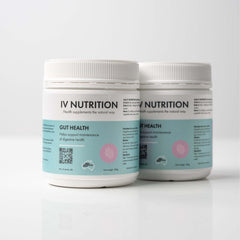
One standout product in this space is IV Nutrition’s Virgin Manufactured Sugarcane Prebiotic Fibre.
What makes it different?
-
100% Virgin-Manufactured: Free from pesticide residue, refined sugars, or chemical processing.
-
High in Soluble Fiber: Promotes SCFA production, particularly butyrate.
-
Gut Integrity Booster: Supports tight junction proteins to help repair leaky gut.
-
Mental Health Support: Indirectly supports neurotransmitter synthesis and inflammation reduction.
Exclusive Offer: Try your first tub of IV Nutrition’s Sugarcane Prebiotic Fibre completely free when you subscribe.
Claim your 100% off first-tub offer here.
How to Support Your Gut for Better Mental Health
Creating a healthier gut environment doesn’t require an overhaul of your entire lifestyle. Here are science-backed strategies to begin optimizing the gut-brain connection:
1. Eat More Whole Foods and Fiber
Aim for at least 25–38g of fiber per day from diverse sources, including:
-
Vegetables (especially leafy greens, onions, garlic)
-
Fruits (berries, bananas)
-
Whole grains
-
Legumes
-
Prebiotic fiber supplements like IV Nutrition’s sugarcane powder
2. Manage Stress
Chronic stress disrupts gut motility and microbiota composition. Incorporate mindfulness, yoga, or Cognitive Behavioral Therapy (CBT) to calm the HPA axis and preserve gut integrity.
3. Avoid Overuse of Antibiotics and NSAIDs
Both antibiotic overuse and regular use of NSAIDs like ibuprofen can damage the gut lining and microbiome diversity, according to The BMJ.
4. Exercise Regularly
Physical activity increases microbial diversity and reduces systemic inflammation. Even moderate exercise, like brisk walking for 30 minutes, has been shown to positively impact microbiota composition and mood, per Frontiers in Microbiology.
Future Directions: Where Science Is Headed
Researchers are now exploring:
-
Fecal Microbiota Transplants (FMT) for treatment-resistant depression
-
Microbial-derived psychobiotic medications
-
Personalized gut microbiome testing to guide mental health interventions
A recent 2024 editorial in The Lancet Psychiatry even called for integrating microbiome assessments into psychiatric care plans.
Final Thoughts: Your Gut Is Talking—Are You Listening?
The connection between gut health and mental health is no longer speculative—it’s clinical, evidence-backed, and foundational to how we should be approaching wellness in the 21st century.
By prioritizing the integrity of your gut—through diet, stress management, and targeted supplementation—you can create the optimal conditions for mental clarity, emotional stability, and long-term cognitive health.
If you’re looking for an effective, gentle, and research-backed way to start, IV Nutrition’s Virgin Sugarcane Prebiotic Fibre is an excellent option. With 100% off your first tub, there's never been a better time to nurture your gut and uplift your mind.