


In the world of gut health, certain foods get a lot of attention—and Greek yogurt is one of them. It's thick, creamy, packed with protein, and widely known for its probiotic benefits. But here's where the confusion often starts: Is Greek yogurt a prebiotic?
The short answer is no—Greek yogurt is not a prebiotic. It’s a probiotic food, meaning it contains live, beneficial bacteria that support your gut microbiome. However, it doesn’t provide the prebiotic fibre those bacteria need to survive and thrive in your gut.
Think of it like this: probiotics are the seeds, prebiotics are the soil and fertilizer. You need both for a healthy digestive ecosystem.
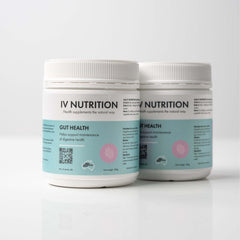
In this clinically-informed, science-backed article, we’ll break down the differences between prebiotics and probiotics, explain what role Greek yogurt plays in gut health, and explore how to support your digestive system more completely—especially with prebiotic fibres like IV Nutrition’s Virgin-Manufactured Sugarcane Prebiotic Fibre.
Special Offer: Get 100% off your first tub of IV Nutrition's premium prebiotic fibre when you subscribe.
→ Click here to claim your free offer
Table of Contents
-
What Are Prebiotics?
-
What Are Probiotics?
-
Is Greek Yogurt a Prebiotic?
-
The Role of Greek Yogurt in Gut Health
-
Why Prebiotics Matter More Than You Think
-
What Happens Without Enough Prebiotic Fibre?
-
The Power of Sugarcane-Derived Prebiotics
-
Why Greek Yogurt and Prebiotics Work Better Together
-
IV Nutrition’s Virgin Sugarcane Prebiotic: Gentle & Effective
-
Creating a Gut-Healthy Daily Routine
-
Final Thoughts: Prebiotics Complete the Gut Health Puzzle
1. What Are Prebiotics?
Prebiotics are a specific type of non-digestible fibre found in certain foods that serve as fuel for beneficial gut bacteria. They pass through the upper digestive tract without being broken down and reach the colon intact, where they are fermented by your microbiome.
This fermentation process produces short-chain fatty acids (SCFAs)—especially butyrate, propionate, and acetate—which:
-
Reduce inflammation
-
Strengthen the gut lining
-
Improve nutrient absorption
-
Regulate immune responses
-
Support brain function and mood
Prebiotics are not bacteria themselves. They are food for bacteria, helping to nourish and grow the colonies that keep your digestive system running smoothly.
2. What Are Probiotics?
Probiotics are live beneficial bacteria found in fermented foods or supplements. These microbes can help restore balance in the gut, particularly after illness, antibiotic use, or periods of digestive distress.
Common probiotic strains include:
-
Lactobacillus
-
Bifidobacterium
-
Streptococcus thermophilus
-
Saccharomyces boulardii (a beneficial yeast)
Probiotics are like temporary visitors. They don’t typically colonize your gut permanently but can still provide helpful functions—like modulating inflammation and supporting digestion—as they pass through.
3. Is Greek Yogurt a Prebiotic?
No—Greek yogurt is not a prebiotic. It is a probiotic food, meaning it contains live bacterial cultures that can benefit your gut microbiome, but it does not contain prebiotic fibre.
Greek yogurt is rich in protein and often easier to digest than regular yogurt due to its lower lactose content. However, while it provides beneficial microbes, it lacks the fibre those microbes need to survive once they reach the colon.
That’s a key distinction: Probiotics are only part of the picture. Without prebiotics, those bacteria may not thrive, and their health benefits may be short-lived.
4. The Role of Greek Yogurt in Gut Health
Greek yogurt has its place in a gut-friendly diet due to its probiotic content and nutritional profile. Here’s what it offers:
-
Live bacterial cultures that can temporarily improve microbial balance
-
Calcium and magnesium to support muscular and nerve function
-
Protein to promote satiety and tissue repair
-
A low-lactose option for people with mild lactose intolerance
But again—it does not nourish your microbiome over the long term, because it contains almost no fermentable fibre.
5. Why Prebiotics Matter More Than You Think
You could eat all the probiotic foods in the world, but if you’re not also consuming prebiotics, your gut bacteria may be starving.
Prebiotics are critical because they:
-
Feed existing good bacteria, allowing them to multiply
-
Produce SCFAs, which reduce gut inflammation
-
Support the gut lining, preventing leaky gut
-
Improve bowel regularity and reduce bloating
-
Balance the immune system and reduce allergies or sensitivities
Without prebiotics, your gut is like a garden with seeds but no soil, water, or sunlight.
6. What Happens Without Enough Prebiotic Fibre?
The average person today consumes less than 15 grams of fibre daily, falling well below the recommended 25–38 grams per day—let alone the 5–10 grams of prebiotic fibre required to meaningfully support the microbiome.
Signs of prebiotic deficiency include:
-
Chronic bloating or gas
-
Constipation or irregular bowel movements
-
Frequent sugar cravings
-
Poor tolerance to probiotic supplements
-
Skin flare-ups
-
Brain fog and low energy
-
Food sensitivities or histamine issues
These are all clues from your gut that your beneficial bacteria aren’t getting the nourishment they need.
7. The Power of Sugarcane-Derived Prebiotics
While certain foods like garlic, onions, asparagus, and green bananas contain prebiotic compounds, hitting therapeutic levels of prebiotics can be difficult through food alone.
That’s why many functional health professionals recommend supplemental prebiotic fibre—especially from whole-food sources like virgin sugarcane.
Sugarcane prebiotic fibre is a naturally occurring, plant-based source of fermentable fibre that:
-
Feeds Bifidobacteria and Lactobacilli
-
Increases SCFA production (especially butyrate)
-
Supports gut lining repair and inflammation reduction
-
Is gentle on the gut—ideal for those with IBS or sensitive digestion
8. Why Greek Yogurt and Prebiotics Work Better Together
You don’t have to choose between Greek yogurt and prebiotics. In fact, they work beautifully as a team.
-
Greek yogurt provides the live beneficial bacteria
-
Prebiotic fibre feeds those bacteria, helping them survive and multiply
-
Together, they form a symbiotic relationship—creating a healthier, more resilient microbiome
Example:
A gut-friendly breakfast could include:
-
A serving of Greek yogurt
-
Berries for antioxidants
-
A tablespoon of chia seeds
-
A scoop of IV Nutrition’s Sugarcane Prebiotic Fibre
This simple combination delivers probiotics, prebiotics, polyphenols, and plant diversity—the four cornerstones of microbiome health.
9. IV Nutrition’s Virgin Sugarcane Prebiotic: Gentle & Effective
If you’re looking for a clinical-grade, well-tolerated prebiotic to support your gut daily, IV Nutrition’s Virgin-Manufactured Sugarcane Prebiotic Fibre stands out.
Why It’s Different:
-
Virgin-manufactured: Derived from fresh sugarcane, not processed waste
-
100% natural: Free of additives, GMOs, or synthetic fillers
-
Soluble and fermentable: Ideal for feeding the microbiome
-
Low FODMAP-friendly: Gentle enough for sensitive guts
-
Clinically aligned: Designed to improve microbial balance without bloating or discomfort
Many common fibre supplements (like psyllium husk) only add bulk. Sugarcane prebiotic fibre feeds bacteria and reduces inflammation, making it a true therapeutic tool.
Special Offer: Get 100% Off Your First Tub
Right now, IV Nutrition is offering a free first tub when you subscribe.
→ Claim your free prebiotic fibre now
10. Creating a Gut-Healthy Daily Routine
Here’s how to combine Greek yogurt and prebiotics for a balanced, daily approach:
| Time of Day | What to Do |
|---|---|
| Morning | Greek yogurt bowl with berries, flaxseed, and a scoop of IV Nutrition’s sugarcane prebiotic fibre |
| Afternoon | Hydrate with lemon water and enjoy fibre-rich meals (leafy greens, beans, root vegetables) |
| Evening | Avoid high-sugar or processed foods that can disrupt microbial balance |
Consistency is key. Your gut microbiome is highly responsive to daily choices—and positive changes can be felt in as little as 1–3 weeks.
11. Final Thoughts: Prebiotics Complete the Gut Health Puzzle
To answer the original question:
Is Greek yogurt a prebiotic? No—it’s a probiotic food.
While it’s a great source of beneficial bacteria, it doesn’t provide the fermentable fibre those bacteria need to thrive. To experience full-spectrum gut health benefits—better digestion, immunity, energy, skin, and mood—you need both probiotics and prebiotics in your diet.
Adding IV Nutrition’s sugarcane prebiotic fibre to your daily routine is an easy, natural way to fill this gap—giving your microbiome the fuel it needs to work for you, not against you.