

Do Probiotics Help with Bloating?
A Clinical Deep Dive into Gas, Gut Bugs, and the Best Way to Beat the Bloat
Ah, bloating. That ever-so-glamorous sensation of feeling like your abdomen has turned into a tightly inflated balloon animal—minus the party. Whether it strikes after a meal, during your cycle, or at random (thanks, gut), bloating isn’t just uncomfortable—it can be downright disruptive.
One remedy that’s captured the public imagination (and grocery aisle real estate) is probiotics. But let’s cut through the hype and ask the real question:
👉 Do probiotics actually help with bloating?
Short answer: Yes, they can—but only when used correctly and under the right circumstances. In this blog, we’ll take a clinical look at what bloating actually is, how probiotics fit into the equation, and why prebiotics (like IV Nutrition’s Virgin Manufactured Sugarcane Prebiotic Fibre) may be the secret sauce your gut is really craving.
What Is Bloating, Anyway?
Let’s be clear: bloating isn’t fat gain, and it’s not just “feeling full.”
Bloating is defined as a subjective feeling of abdominal fullness, pressure, or distension that may or may not involve actual swelling. It can be caused by:
-
Excess gas production
-
Poor motility (aka sluggish digestion)
-
Constipation
-
Water retention
-
Small intestinal bacterial overgrowth (SIBO)
-
Gut microbiota imbalance (dysbiosis)
Studies estimate that 10–30% of people experience bloating regularly, with even higher rates in people with IBS and functional GI disorders.
So what’s going on in there? Often, it boils down to your gut bacteria.
Probiotics 101: Meet the Microscopic Superstars
Probiotics are live microorganisms (usually bacteria or yeast) that, when consumed in adequate amounts, confer health benefits to the host—that’s you. They’re found in:
-
Yogurt and fermented foods (like kimchi, kefir, sauerkraut)
-
Dietary supplements
-
Functional foods and drinks
The most common strains include:
-
Lactobacillus
-
Bifidobacterium
-
Saccharomyces boulardii
These beneficial bugs can help balance your gut microbiota, support digestion, and influence immunity, inflammation, even mental health.
So, Do Probiotics Help with Bloating?
The Clinical Evidence
Let’s get into the data. Here’s what research tells us about probiotics and bloating:
-
IBS and Functional Bloating:
Studies show that certain probiotic strains can reduce bloating in people with IBS, a condition where bloating is a hallmark symptom. For instance, Bifidobacterium infantis 35624 significantly reduced bloating, abdominal pain, and discomfort in IBS patients -
Gas Reduction:
Some probiotics help metabolize gases like hydrogen and methane. For example, Lactobacillus plantarum has shown promise in reducing intestinal gas formation -
SIBO & Microbial Imbalance:
While not a primary treatment for SIBO, certain probiotics may help restore balance after antibiotic therapy and reduce recurring bloating symptoms
Not All Probiotics Are Created Equal
Here’s the kicker: not every probiotic helps with bloating.
Some can even make it worse, especially if they:
-
Ferment too rapidly
-
Introduce excess lactate
-
Exacerbate dysbiosis in an already inflamed gut
Choosing the right strain and dose is crucial, which is why working with a clinical practitioner is often recommended for chronic issues.
The Bigger Picture: Probiotics Are Just One Piece of the Puzzle
Think of your gut like a garden. Probiotics are like planting new flowers—but without water, sunlight, and soil (aka prebiotics, movement, and fiber), they won’t thrive.
Enter: prebiotic fibre.
Meet the Unsung Hero: Prebiotics
Prebiotics are non-digestible fibres that feed the beneficial bacteria in your colon. They serve as the fuel for probiotics, helping them grow, thrive, and balance out the microbial ecosystem.
Common prebiotics include:
-
Inulin (found in chicory root, leeks, onions)
-
Fructooligosaccharides (FOS)
-
Galactooligosaccharides (GOS)
-
Sugarcane-derived fibre (yes, we’ll get to that soon!)
When fermented by your gut flora, these fibres produce short-chain fatty acids (SCFAs) like butyrate, which:
-
Lower gut inflammation
-
Strengthen the intestinal lining
-
Regulate motility (aka, keep things moving)
-
Help reduce bloating and gas over time
Why IV Nutrition’s Sugarcane Prebiotic Fibre Is a Game-Changer
Let’s talk about your gut’s new best friend:
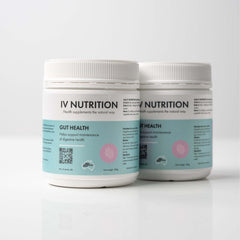
Virgin Manufactured Sugarcane Prebiotic Fibre by IV Nutrition.
Unlike bulky fibres that can irritate sensitive bellies, this unique fibre is:
-
Gentle, even for people with IBS
-
Slowly fermented, reducing the risk of excess gas
-
Derived from sugarcane, but without sugar (it’s fibre, not syrup)
-
Clinically formulated to support microbial diversity
What’s more, it nourishes your gut microbiome without overstimulating gas-producing bacteria, which can sometimes happen with other fibres like psyllium or raw inulin.
Why It Works for Bloating
-
Enhances probiotic survival and performance
-
Increases SCFA production (anti-inflammatory)
-
Improves regularity — key if you’re bloated from constipation
-
Rebalances gut flora, reducing dysbiosis-related bloating
-
Helps reduce water retention in the gut
And best of all? 👉 You can try it FREE. Yes, your first tub is 100% off when you subscribe.
Click here to claim your free tub and give your gut the daily nourishment it’s been missing.
Probiotics + Prebiotics = Synbiotics
For real results, think of it as a tag-team.
✅ Probiotics = live bacteria
✅ Prebiotics = their food
✅ Synbiotics = both, working together to balance your gut
When you combine the two, your gut is more likely to:
-
Reduce bloating
-
Improve digestion
-
Strengthen immune function
-
Decrease inflammation
How to Start: Bloat-Fighting Tips for Real Life
1. Choose the Right Probiotic
Look for strains that have clinical support for bloating relief:
-
Bifidobacterium infantis
-
Lactobacillus plantarum
-
Lactobacillus acidophilus
-
Bifidobacterium lactis
2. Feed Your Probiotics Daily
Add 1 scoop of IV Nutrition’s sugarcane fibre to:
-
Smoothies
-
Water
-
Oatmeal
-
Yogurt
Start with half a scoop if your gut is sensitive.
3. Stay Hydrated
Fibre needs water to move through your system. Aim for 2-3 litres daily, especially if you’re upping your fibre game.
4. Slow Down and Chew
Poorly chewed food ferments more in your colon. More fermentation = more bloating.
5. Move After Meals
A short walk after eating can help relieve gas and encourage peristalsis (the rhythmic movement of your intestines).
Common Myths About Probiotics and Bloating
🧪 “More CFUs = better.”
Not always. Some high-dose probiotics cause more fermentation. Quality and strain matter more than quantity.
🥛 “Yogurt fixes everything.”
Only if it contains live and active cultures — and even then, not all yogurts contain strains effective for bloating.
🧬 “One bottle fits all.”
Everyone’s microbiome is different. What works for your friend may not work for you.
When to Be Cautious
Probiotics aren’t always appropriate in certain conditions:
-
SIBO – Can worsen symptoms in some cases
-
Severely immunocompromised individuals – Risk of infection (rare but real)
-
Severe bloating or pain – Might require medical evaluation first
Always consult your healthcare provider if symptoms are chronic or severe.
Final Thoughts: So, Do Probiotics Help with Bloating?
Yes—but it depends.
Probiotics can reduce bloating when:
-
The right strains are used
-
They’re paired with prebiotic fibre
-
Your gut isn’t severely compromised
-
You stay consistent
However, prebiotic fibre is often the real MVP. Without it, probiotics are like seeds thrown on concrete — nothing’s going to grow.
That’s why IV Nutrition’s Virgin Manufactured Sugarcane Prebiotic Fibre is such a critical part of any gut health routine. It’s the base layer your microbiome needs to flourish — and your bloated belly needs to deflate.
TL;DR: Your Gut-Smart Action Plan
✅ Add a clinically backed probiotic
✅ Pair it with daily prebiotic fibre — like this one (FREE first tub)
✅ Drink more water, chew slowly, and move after meals
✅ Watch your results over 2–3 weeks — not overnight
✅ Consult a practitioner for complex or persistent symptoms
Remember: A happy gut = a lighter, less bloated you.