


Do Bananas Have Prebiotic Fiber?
When it comes to gut health, fibre is the star of the show. But not all fibre is created equal. Some types merely add bulk to stool, while others—known as prebiotic fibres—go a step further, feeding the beneficial bacteria that live in your gut and supporting digestion at a microbial level.
Bananas, often praised for their convenience, potassium content, and natural sweetness, are increasingly being recognized for their role in digestive wellness. But here’s the big question:
Do bananas have prebiotic fibre?
In short: Yes, they do. But the details—how much, what kind, and how they compare to other sources—are important to understand.
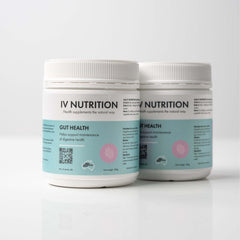
This clinical, science-backed article explores the prebiotic power of bananas, how they support your gut microbiome, and why pairing foods like bananas with targeted prebiotic supplements—such as IV Nutrition’s Virgin-Manufactured Sugarcane Prebiotic Fibre—can create a robust foundation for digestive health.
Bonus Offer: Try IV Nutrition’s premium sugarcane prebiotic fibre with 100% off your first tub when you subscribe.
→ Claim your free offer here
Table of Contents
-
What Are Prebiotic Fibres?
-
Bananas and Gut Health: An Overview
-
The Specific Prebiotic in Bananas: Resistant Starch
-
Green vs. Ripe Bananas: What’s Better for Your Gut?
-
How Much Prebiotic Fibre Do Bananas Contain?
-
Benefits of Prebiotic Fibre from Bananas
-
Why Supplementation Still Matters
-
The Power of Sugarcane Prebiotic Fibre by IV Nutrition
-
Combining Bananas and Prebiotics: A Daily Gut Routine
-
Final Thoughts: Are Bananas Enough?
1. What Are Prebiotic Fibres?
Prebiotic fibres are types of non-digestible carbohydrates found in certain foods that act as fuel for your beneficial gut bacteria—especially strains like Bifidobacteria and Lactobacilli. Unlike general dietary fibre (which mostly helps with stool bulk and motility), prebiotics work on a deeper level to:
-
Enhance microbial diversity
-
Increase production of short-chain fatty acids (SCFAs), especially butyrate
-
Support immune system regulation
-
Strengthen the intestinal barrier
-
Improve mood, metabolism, and nutrient absorption
In essence, prebiotics feed your microbiome, which in turn feeds your health.
2. Bananas and Gut Health: An Overview
Bananas are more than a handy snack or post-workout carb. They contain natural fibres that:
-
Soothe the digestive tract
-
Act as mild bulking agents
-
Provide resistant starch in certain ripeness stages
-
Support regular bowel movements
-
Deliver energy without spiking blood sugar too dramatically
But the real gut health value comes from their prebiotic properties, especially in less ripe bananas.
3. The Specific Prebiotic in Bananas: Resistant Starch
The key prebiotic compound in bananas is resistant starch—a type of starch that resists digestion in the small intestine and ferments in the colon, where it feeds beneficial microbes.
There are several types of resistant starch, and the one found in bananas is known as RS2, most abundant when bananas are still slightly green.
Once it reaches the colon, resistant starch:
-
Feeds beneficial bacteria, encouraging their growth
-
Promotes the production of butyrate, an anti-inflammatory SCFA
-
Helps regulate colon pH
-
Supports tight junction integrity, helping to prevent leaky gut
-
Improves insulin sensitivity and blood sugar regulation
4. Green vs. Ripe Bananas: What’s Better for Your Gut?
Not all bananas offer the same prebiotic punch. The ripeness of the banana dramatically affects its resistant starch content.
Here’s the difference:
| Ripeness Level | Fibre Type Dominant | Prebiotic Benefit |
|---|---|---|
| Green | High in resistant starch | Strong prebiotic effect, lower sugar |
| Yellow (ripe) | Low in resistant starch, higher in sugar | Still provides some fibre, but less prebiotic impact |
| Overripe (brown) | Mostly sugar | Minimal prebiotic activity |
Green bananas are ideal if you're targeting gut health. They’re not as sweet but offer the most benefit in terms of microbial nourishment.
Pro tip: Try adding green banana to smoothies, slicing into oatmeal, or lightly sautéing with olive oil and spices.
5. How Much Prebiotic Fibre Do Bananas Contain?
A medium-sized green banana contains roughly 3 grams of fibre, with about 50–60% of that coming from resistant starch in the unripe stage.
However, as the banana ripens:
-
The resistant starch converts into simple sugars (glucose, fructose)
-
Total fibre content slightly decreases
-
Gut microbiome benefit is reduced
While bananas can contribute to your daily prebiotic intake, you’d need to eat multiple green bananas daily to reach optimal prebiotic fibre levels—something not everyone finds practical or palatable.
6. Benefits of Prebiotic Fibre from Bananas
Consuming green bananas or green banana flour (a functional food ingredient) offers a range of gut-related benefits:
-
Improved regularity without harsh laxatives
-
Reduced bloating and gas by balancing microbial fermentation
-
Support for weight management, as resistant starch increases satiety
-
Better blood sugar control, due to slow glucose release
-
Enhanced production of SCFAs, which reduce inflammation and support colon health
Yet, even though bananas contribute to prebiotic fibre intake, most people still fall short of the recommended 5–10 grams of prebiotic fibre per day needed to significantly impact gut bacteria populations.
That’s where quality supplemental prebiotic fibre makes a difference.
7. Why Supplementation Still Matters
While bananas (especially green ones) offer valuable prebiotic fibre, relying solely on them for microbial health has limitations:
-
Taste fatigue from eating too many green bananas
-
Digestive tolerance—some people may find unripe bananas too starchy or binding
-
Limited prebiotic spectrum—bananas primarily offer one type of prebiotic
-
Inconsistent intake due to seasonal or supply changes
To ensure consistent, diverse, and clinically relevant support for the microbiome, daily prebiotic supplementation with a well-formulated fibre is often the most reliable strategy.
8. The Power of Sugarcane Prebiotic Fibre by IV Nutrition
Among the many fibre products on the market, one stands out for its quality, purity, and gut-friendly benefits:
IV Nutrition’s Virgin-Manufactured Sugarcane Prebiotic Fibre
Why It Works:
-
Virgin-manufactured: Extracted from whole sugarcane at peak freshness for full-spectrum bioavailability
-
Naturally high in fermentable prebiotic fibre: Promotes SCFA production and microbial diversity
-
Clean formula: No synthetic binders, gums, or bulking agents
-
Gentle on the gut: Ideal for those with bloating, IBS, or sensitive digestion
-
Balances the gut environment: Supports regularity, reduces gas, and promotes long-term digestive healing
Unlike common psyllium husk or inulin-based products, sugarcane prebiotic fibre works without cramping or bloating, making it ideal for clinical-grade gut support.
Special Offer: Get 100% Off Your First Tub
For a limited time, IV Nutrition is offering 100% off your first tub of this premium prebiotic fibre when you subscribe.
→ Click here to claim your free tub
Pair it with banana-based meals for a powerful one-two punch for your gut.
9. Combining Bananas and Prebiotics: A Daily Gut Routine
For those serious about improving their gut health, consider building a simple daily ritual that combines whole-food fibre (like bananas) with supplemental prebiotics.
Sample Daily Routine:
-
Morning: Smoothie with frozen green banana, spinach, almond milk, and 1 scoop of IV Nutrition sugarcane prebiotic fibre
-
Lunch: Quinoa salad with lentils, avocado, and a drizzle of olive oil
-
Afternoon snack: Sliced banana with chia pudding or mixed nuts
-
Dinner: Steamed vegetables with salmon or tempeh, and a serving of roasted sweet potato
This kind of daily intake provides a wide spectrum of fermentable fibres, supporting beneficial bacteria and protecting against common bowel issues like constipation, bloating, and irregularity.
10. Final Thoughts: Are Bananas Enough?
So, do bananas have prebiotic fibre?
Yes—especially when eaten green. Bananas are a convenient, natural way to increase resistant starch intake and support the growth of beneficial gut bacteria.
But are bananas enough on their own to maintain optimal digestive health?
Not quite. While they’re a helpful part of a gut-friendly diet, they’re best seen as one piece of the puzzle. To truly meet your microbiome’s needs, a combination of:
-
Diverse plant-based fibres
-
Prebiotic supplementation
-
Hydration
-
Regular movement
-
Stress management
…is needed for lasting digestive resilience.
Adding IV Nutrition’s virgin sugarcane prebiotic fibre to your daily routine is a practical, clinically aligned way to fill the fibre gap, nourish your gut bacteria, and support long-term digestive health—whether or not you have bananas on hand.